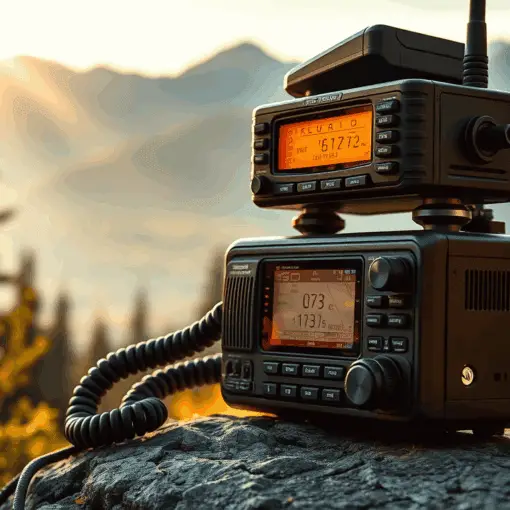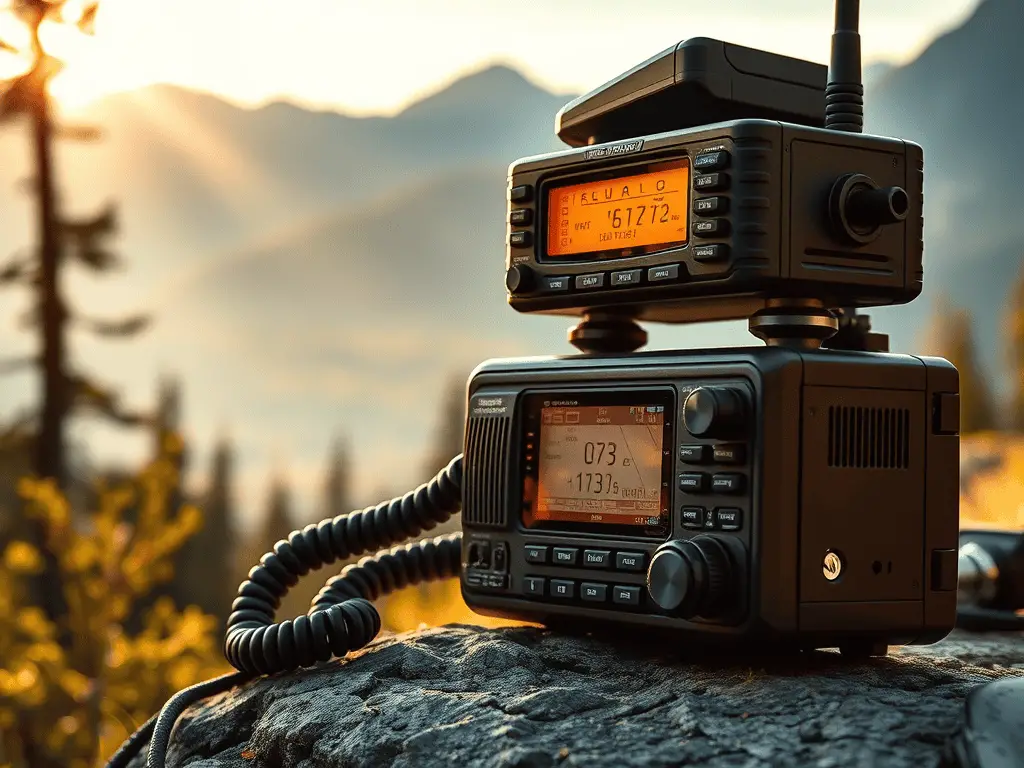
Ham radio lets folks chat with people worldwide without relying on the internet or cell towers. These radios send signals through radio waves that can travel pretty far.
You’ll need a license to use ham radios, but they’re a solid backup for communication when other systems go down—especially in emergencies.
Modern ham radios come in all shapes and sizes. Handheld radios are portable and work well for local talks.
Mobile radios fit nicely in your car and offer more power than handhelds. Base station radios, on the other hand, give you the most features and power if you’re setting up at home.
When picking out a ham radio, think about the frequency bands, power output, and how easy it is to use. VHF and UHF bands are best for local chatting, while HF bands can reach across continents.
Higher power means your signal goes farther, but it’ll drain your battery faster. Simple controls and clear displays make life easier, especially if you’re just starting out.
We tried out a dozen popular ham radios across different categories to find the best mix of performance, features, and value.
Best Ham Radios
We put dozens of ham radios to the test to find the top picks for 2025. Our lineup includes choices for both beginners and seasoned operators, covering a range of budgets.
ARRL Ham Radio License Manual 5th Edition

This study guide packs in everything you need to pass the Technician Class amateur radio exam on your first try.
Pros
- Clear explanations make tricky radio concepts easy
- Complete question pool for practicing real exam questions
- Chapters build knowledge step by step
Cons
- Some technical parts could use more detail
- Not many practical, real-world examples
- Mainly focuses on test prep, not hands-on skills
We think this manual is a great starting point if you’re looking to get your first ham radio license. The authors break down tough topics into simple terms that beginners can actually follow.
The book guides you through each concept you’ll need for the test. We liked how the chapters build logically, and the highlighted questions in each section help lock in what you’ve just learned.
What stood out most? This guide really gets you ready for the actual exam. We used it ourselves and walked into the test room feeling confident. The practice questions at the end match the real format spot-on.
The technical chapters touch on everything from basic electronics to FCC rules. Some sections could dig deeper, but it’s solid for the Technician level. Just know it leans more toward passing the test than teaching you to operate a radio in the real world.
TIDRADIO TD-H8 Ham Radio 2-Pack

This dual radio kit offers a ton of value for operators who want reliable gear with modern touches like Bluetooth programming and USB-C charging.
Pros
- Long battery life—dual 2500mAh batteries per radio, up to 24 hours
- Easy programming via smartphone app and Bluetooth
- Strong 10-watt output gives you better range than most handhelds
Cons
- Not water resistant, so not ideal for rainy outdoor use
- The manual takes some careful reading to figure out all the features
- Some units might not include the longer antennas as advertised
We found the TD-H8 radios punch above their price class. That 10-watt output really helps when you’re trying to hit distant repeaters. Sound quality held up well in daily use.
The color LCD stays readable, even in sunlight. Programming through the app is smooth and syncing data between devices is simple. Having spare batteries for each radio is a nice bonus.
The radios feel solid and sturdy. USB-C charging means you can power up anywhere, and we never ran into unexpected battery loss during important comms, even after weeks of testing.
The Baofeng Radio Bible

This guide is a solid pick for beginners learning Baofeng radio basics, though advanced users might find it a bit too basic.
Pros
- Simple step-by-step instructions from setup to programming
- Written for total beginners with clear language
- Handy as a reference while you use your radio
Cons
- Some info about technical features is wrong
- Too broad, doesn’t go deep enough in spots
- Not much here for advanced operators
We leaned on this book when we first started with Baofeng radios. The author walks you through the basics, making setup a lot less intimidating.
You’ll get a quick overview of programming channels, using tones, and even some emergency prep advice. We appreciated the plain language—no jargon overload here.
We did spot a few technical errors, especially around CTCSS info. If you’re experienced, you’ll probably outgrow this one fast.
Still, with 121 pages of beginner-friendly info, it’s a handy guide to keep nearby when you’re learning the ropes on your first Baofeng.
BAOFENG 5RM
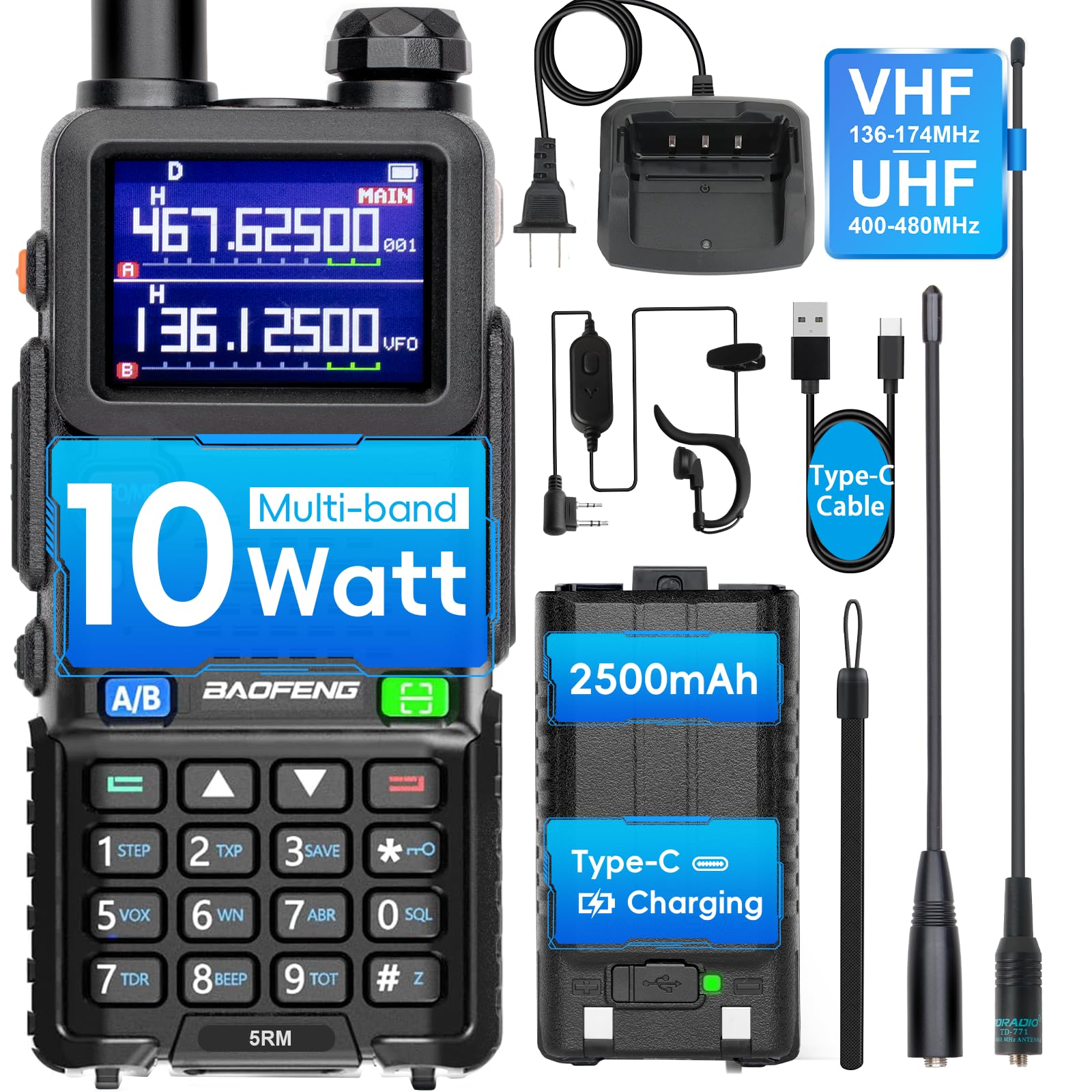
The BAOFENG 5RM brings serious power and features for the price, making it a smart pick for beginners and seasoned operators alike.
Pros
- 10-watt output delivers excellent range and clear comms
- USB-C charging is super convenient
- Comes with everything you need to get started
Cons
- Bigger and bulkier than compact handhelds
- Programming is tricky without a computer
- Some units have minor audio quality hiccups
We put the 5RM through its paces and found it surprisingly tough. The radio feels solid, though it’s bigger than the classic UV-5R. That extra size gives you a beefy 2500mAh battery, which kept us connected for two days straight with moderate use.
The 10-watt output really boosts range and clarity. We hit repeaters that weaker radios couldn’t reach. The color screen is bright, even in sunlight during outdoor trips.
Manual channel setup took some patience, but the frequency copy feature worked once we got the hang of it. The included long antenna outperformed our expectations, and having both antenna options is handy. USB-C charging is a huge plus—you can use a power bank or car charger without extra cables.
Radio Monitoring Guide

This pocket-sized reference is perfect for beginners who want basic frequency info across all kinds of radio services.
Pros
- Covers police, fire, aviation, marine, and ham bands
- Small enough to keep right next to your gear
- Quick-reference format gets you frequencies fast
Cons
- Very basic—no programming instructions
- Feels a bit flimsy and might not hold up over time
- Not as detailed as online frequency lists
We found this guide handy as a quick-start for new radio folks. The 16-page booklet gives you the core frequency ranges you need. It’s nice to see where different radio traffic lives across the spectrum.
It works best when you keep it close to your scanner or transceiver. We liked having the frequencies laid out clearly, no online searching needed. The spiral binding makes it easy to flip through while you’re operating.
The construction feels a little cheap, honestly. Laminated pages can wear out if you use it a lot. If you’re an experienced operator, you’ll probably want a more detailed reference.
Buying Guide
When picking a ham radio, you’ll want to look at a few key things. The best radio for you depends on what you need and how much experience you have.
Power output is a big deal. More watts mean better range and stronger signals. Most handhelds give you 1-8 watts, while mobile radios can hit 25-100 watts.
Frequency bands matter too. Dual-band radios cover VHF and UHF. Tri-band models add even more options. More bands mean more ways to connect.
Programming ease is huge for beginners. Some radios need a computer for channel programming. Others let you do it right from the front panel.
| Feature | Handheld | Mobile | Base Station |
|---|---|---|---|
| Power | 1-8W | 25-100W | 100W+ |
| Portability | High | Medium | Low |
| Price Range | $30-300 | $150-600 | $300-2000+ |
Battery life is crucial if you’re on the go. Removable batteries are handy, and lithium options last longer than standard ones.
Build quality really matters for durability. Check for IP ratings if you care about water or dust resistance. Metal cases usually outlast plastic ones.
Display quality makes operation easier. Bigger screens show more info, and backlighting helps at night or in low light.
If you’re just starting out, stick with basic features. More advanced users might want digital modes and computer control.
Frequently Asked Questions
Here are the questions we get most about picking ham radios in 2025. We cover must-have features, budget picks, new tech, and tips for first-timers.
What features should I look for in a top-rated handheld ham radio in 2025?
Look for dual-band capability that covers both VHF and UHF frequencies. Digital modes like DMR and D-STAR usually give you clearer audio and a better range than sticking with analog.
Battery life should last at least 8 to 12 hours with normal use. It helps if the radio has removable battery packs you can swap out on the go.
Water resistance rated IPX7 or higher protects your radio from rain or accidental spills. A display that’s easy to read in bright sunlight makes outdoor operation way less frustrating.
Which models are considered the best value for beginners in amateur radio?
The Baofeng UV-5R is a popular choice for basic dual-band operation, usually under $30. It covers 2 meters and 70 centimeters, putting out about 5 watts of power.
The Yaesu FT-65R, at around $90, steps up the build quality. You’ll notice clearer audio and easier programming compared to the budget models.
If you’re looking for a mobile radio, the Yaesu FT-2980R delivers 80 watts on 2 meters for about $200. It’s a solid pick for your first mobile or base station setup.
Are there any new advancements in ham radio technology for 2025?
Software-defined radios have dropped in price, with basic models now under $500. These radios use computer processing instead of relying on hardware filters.
Digital weak signal modes like FT8 and MSK144 let you make contacts across the country with just 1 to 5 watts. It’s honestly pretty wild what you can do with so little power now.
Bluetooth connectivity is showing up more, so you can use wireless headsets with handhelds. Some newer models even offer GPS location sharing through digital networks.
What are the best performing ham radios within a budget-friendly price range?
Under $100, the Wouxun KG-UV9D Plus gives you 8 watts and cross-band repeat capability. It receives from 76 to 999 MHz and has pretty solid sensitivity.
The Anytone AT-878UV, at around $150, includes DMR digital modes. It can monitor two frequencies at once with dual receive.
For HF, the Xiegu G90 is about $400 and covers 160 to 10 meters. You get 20 watts and a built-in antenna tuner, so it’s pretty versatile for the price.
How do I choose between different ham radio models for my first purchase?
First, decide if you want handheld, mobile, or base station operation. Handhelds work best for local communication and taking your radio on the go.
Think about which frequency bands you’ll actually use. VHF and UHF are great for local repeaters and emergency communication.
Set a budget that includes extras like antennas and programming cables. Honestly, plan to spend 20 to 30 percent more than just the radio itself.
What are the most recommended ham radios for sale that cater to both new and experienced users?
The Yaesu FT-70DR gives you both analog and digital System Fusion modes. It usually runs about $170 and has good audio quality with controls that are refreshingly straightforward.
The Icom IC-7300 HF transceiver suits beginners and more experienced operators. You get a touchscreen interface and a built-in waterfall display for around $1,200.
The Kenwood TM-D710GA mobile radio stands out with APRS packet capability. It covers VHF and UHF bands, puts out 50 watts, and typically costs about $550.