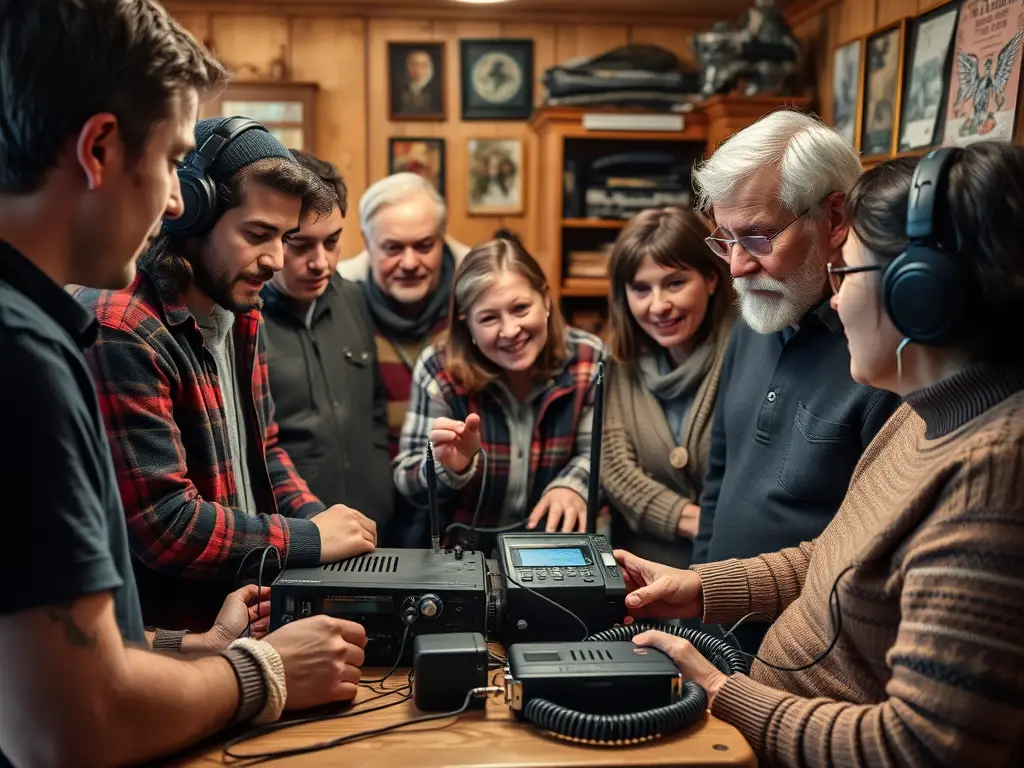
Ham radio might look like a hobby just for electronics experts, but honestly, that’s not true at all. A lot of folks think you need years of tech training to get started, but it’s way simpler than that.
Anyone can pick up ham radio basics and get licensed—no engineering degree or deep technical background required.
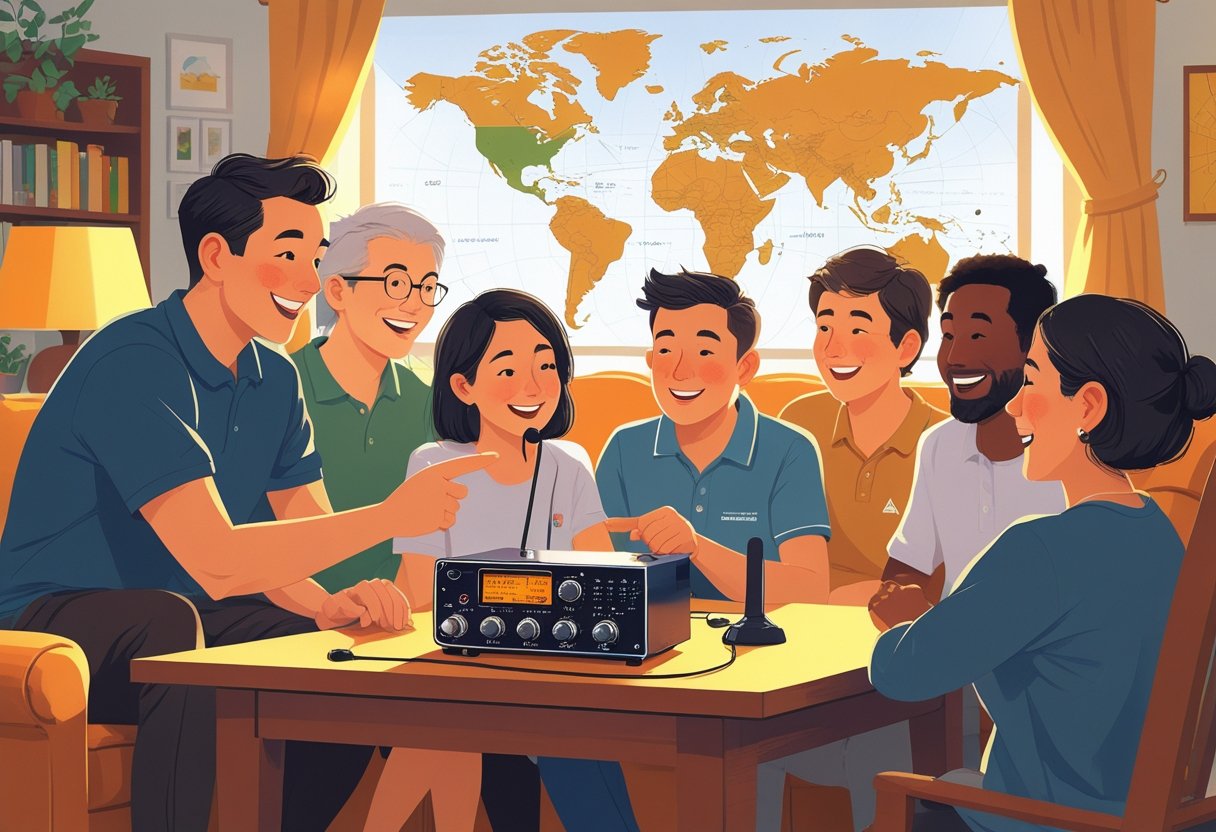
Amateur radio has something for everyone, whether you want to help in emergencies or just chat with people worldwide. Newcomers sometimes worry about complicated gear, but these days, ham radio is much more approachable.
Ham Radio for Non-Techies shows just how quickly beginners can learn the ropes and start having fun.
Getting started? Break it down into three steps: learn what ham radio is, get your license, and pick out some basic gear. When you tackle it bit by bit, it’s really not overwhelming.
This guide walks you through the license process, making your first contact, and connecting with others who can help you along the way.
Key Takeaways
- Ham radio is open to beginners, even without a tech background, thanks to easy study guides and user-friendly radios.
- Getting licensed means passing a basic test about operating and safety—not complicated engineering.
- You’ll have the best experience if you start simple, join local clubs, and get on the air with help from experienced operators.
What Is Ham Radio?
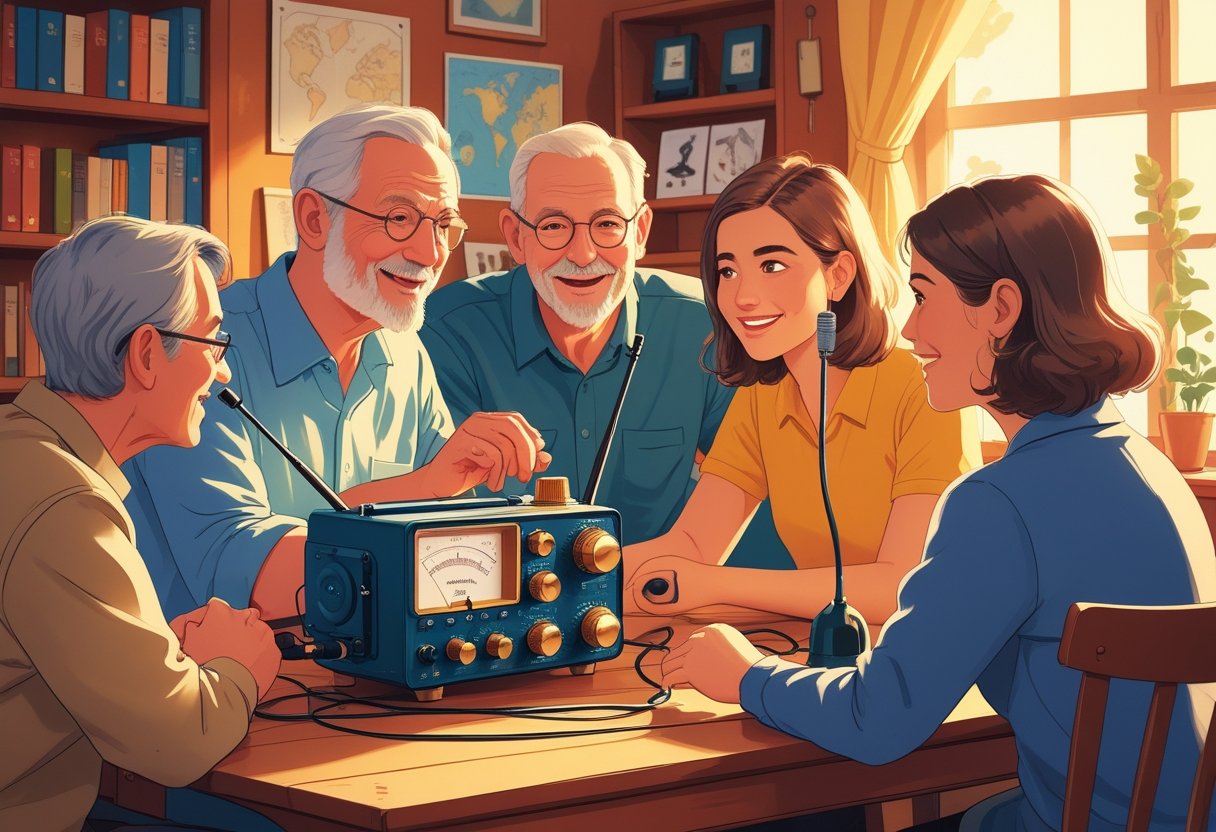
Ham radio is a hobby where people talk to others around the world using radio waves. It’s fun, but it also serves as a backup when phones or the internet go down.
Core Concepts Explained
Ham radio, or amateur radio, uses radio waves to send messages directly between people. No need to rely on phone companies or internet providers.
The word “ham” comes from old telegraph slang for amateur operators. To use ham radio legally, you need a government license.
The Federal Communications Commission (FCC) gives out these licenses after a test on radio rules and basic electronics.
Ham radio setups usually include three main parts:
- Transceiver: Sends and receives radio signals.
- Antenna: Grabs signals from the air.
- Power supply: Feeds electricity to the radio.
Operators can talk, use Morse code, or send digital messages. They use specific frequencies set aside for amateur use.
Who Uses Ham Radio?
People from all walks of life get into ham radio. Plenty of folks start as beginners with zero technical experience and just learn as they go along.
Common ham radio users:
- Hobbyists who love talking to people worldwide
- Emergency volunteers who step up during disasters
- Tech fans who like building or tinkering with gear
- Contest junkies who try to make the most contacts
- Public service helpers at marathons or parades
Retirees sometimes dive deep into the hobby. Kids and teens often get hooked through school clubs or family.
Some folks chase distant contacts or try satellite communication. Others just enjoy chatting with neighbors over the airwaves.
Importance of Ham Radio Today
Even with smartphones and the internet everywhere, ham radio is still super useful. When disaster hits, regular systems can go down fast.
Ham radio steps in for emergency communication during hurricanes, earthquakes, and blackouts. Operators pass messages between emergency crews and folks in hard-hit areas.
Main benefits:
- Works without internet or cell towers
- Can reach anywhere on the planet
- Runs on batteries if needed
- Stays up when everything else fails
Operators also help with scientific research, like tracking weather or testing new ways to communicate.
The American Radio Relay League (ARRL) organizes lots of emergency and public service work. Local groups often team up with police and fire departments.
Why Ham Radio Is Perfect for Non-Techies
Lots of people assume ham radio is too technical. Actually, you can learn the basics and start talking to people worldwide without any fancy electronics knowledge.
Breaking Down Misconceptions
You don’t need engineering skills for ham radio. Sure, some folks get into the technical weeds, but just making contacts is pretty straightforward. New users often get on the air with a handheld radio just days after getting licensed.
Getting licensed is easier than you might think. The entry-level Technician license is just a 35-question multiple-choice test. Study guides focus on what you need for real-world operating, not tricky theory.
Modern radios make things simple. Most new radios have digital screens, auto settings, and easy controls. A lot of them work almost like a souped-up walkie-talkie.
No need to build anything if you don’t want to. There are ready-made antennas and plug-and-play radios. Building your own gear is just an option, not a requirement.
Benefits for Non-Technical Users
Ham radio is packed with perks for people who want reliable communication—without tech headaches.
Talk worldwide, no internet needed. You can reach people across continents with just a radio and an antenna. It’s kind of wild when you first experience it.
Emergency readiness. When storms or disasters knock out normal channels, ham radio keeps working. Operators step up in emergencies to keep people connected.
Meet people and learn new things. Local ham clubs love welcoming newcomers. There are training sessions, beginner events, and lots of folks willing to help out.
Get as involved as you want. You can stick to simple local chats or branch out into new frequencies and modes as you get more curious.
Common Beginner Questions
New hams tend to have the same handful of questions at first.
“What radio should I buy first?” A handheld for 2-meter or 70-centimeter bands is a solid starting point. These bands are great for local contacts and repeaters.
“Is the license test tough?” Most people pass after 10 to 20 hours of studying online practice tests or simple guides. The test is mostly about safety and how to operate, not hard science.
“Can I use ham radio in emergencies?” Absolutely, but you have to be licensed to transmit. Emergency use covers disasters, big events, or even personal emergencies when nothing else works.
“Will I need expensive gear?” Not at all. Basic handhelds can cost less than $50. A nice home setup with a good antenna usually runs $200–$500 and will last for years.
Getting Licensed as a Ham Radio Operator
Getting your ham license just means passing a test for $15, plus a $35 FCC fee. There are three license levels, but most people start with the Technician class.
Understanding License Types
In the U.S., ham operators can get three different license types. Each level unlocks more privileges, and you have to pass a specific test for each one.
The Technician class license is the entry point for most. It’s a 35-question test that covers radio basics, rules, and operating tips.
With a Technician license, you can use all amateur frequencies above 30 megahertz—mostly VHF and UHF, which are great for local talking.
The General class license opens up way more frequencies, including most HF bands for worldwide chatting.
Amateur Extra is the top tier, giving you access to every amateur band and segment out there.
Typical Path:
- Start with Technician
- Upgrade to General (if you want)
- Go for Amateur Extra (if you’re really into it)
Everyone starts with the Technician exam. You can always upgrade later if you want more privileges.
How to Study for Your Exam
There are tons of free resources to help you prep for the license exams. Practice tests and study apps make it pretty painless.
HamStudy.org has free practice exams for all license levels. You can use study mode and track your progress.
HamExam.org offers practice tests and digital flashcards. You can see your stats and figure out what to work on.
QRZ.com shows your answer rates during practice, so you know where you’re strong or need improvement.
Handy Mobile Apps:
- Technician exam prep apps
- General class study apps
- Amateur Extra practice apps
Most hams suggest aiming for 75%–85% on practice tests before the real thing. That usually means you’re ready.
Some people like reading guides, while others prefer flashcards and quizzes. Find what works for you.
Taking the FCC Test
Volunteer examiners run ham radio tests at local sessions. The ARRL website can help you find one near you.
Most sessions happen on weekends at libraries, community centers, or radio club meetings. Some let you walk in, but others want you to sign up ahead of time.
The exam fee is $15, paid to the volunteer team. That covers the materials and paperwork.
Tests are multiple-choice with four answer options. The Technician test has 35 questions picked from a bigger pool.
You need to get 26 right to pass the Technician exam—about 74%.
Bring a simple calculator if you want. Programmable calculators are usually a no-go, but basic ones are fine.
You’ll usually get your results right after finishing. If you pass, you get a Certificate of Successful Completion.
Receiving Your Call Sign
The FCC gives every new ham a unique call sign after you pass and pay the fees.
Volunteer examiners send your results to the FCC electronically. The FCC processes everything and assigns your call sign automatically.
You’ll need to pay a $35 fee directly to the FCC. That’s for your license paperwork and processing.
Your call sign shows up in the FCC database about one to two weeks after you finish everything. Once it’s there, you can get on the air.
The FCC assigns call signs by region, so your prefix depends on where you live.
Some Call Sign Examples:
- W1ABC (New England)
- K2DEF (New York/New Jersey)
- W5GHI (Texas/Oklahoma)
If you want something specific, you can use the FCC’s vanity call sign system for an extra fee. It’s totally optional, but some people like picking their own.
Choosing Your First Ham Radio Equipment
New ham radio operators have a lot to sort through when it comes to equipment. Mobile radios usually outperform handhelds for most first-time buyers.
Accessories like antennas and coax cables can really make or break your setup. You’d be surprised how much difference these small details make.
Selecting an Entry-Level Radio
Most beginners start with handheld radios. You can find basic models for $30–$125, and they seem convenient since you don’t need an external antenna.
But handheld radios have pretty limited coverage. In most suburban areas, you’ll get maybe one to two miles of direct communication, tops.
The low power output—usually 5 watts or less—gives new operators plenty of headaches. You’ll notice the limitations fast.
Mobile radios offer better performance for beginners. These 50-watt units easily outperform handhelds, especially in rural settings.
You can use mobile radios at home with a power supply and a basic antenna. It’s a flexible setup that works for a lot of people.
Recommended entry-level options include:
- Kenwood TM-281A: 65-watt VHF radio, simple programming
- Icom 2730A: Dual-band, 50 watts on both VHF and UHF
- AnyTone AT-778UV: Budget dual-band pick under $150
If you still want a handheld, the Yaesu FT-65 gives you better quality than the ultra-cheap stuff, and it’s around $100.
Essential Accessories for Beginners
Antennas make the biggest difference in how well your radio works. If you’re using a mobile radio, just slap a magnet mount antenna on a fridge or metal sheet for a quick ground plane.
Coax cable quality matters a lot. The wrong cable can waste most of your transmit power before it ever reaches the antenna.
| Cable Type | Best Use | Maximum Length |
|---|---|---|
| RG-58 | Very short mobile runs | Under 10 feet |
| RG-8X | Home installations | 25 feet on VHF |
| RG-8U | Long runs | 100+ feet |
The wrong coax can lose 69% of your power over a 100-foot run. RG-58 works for short mobile setups, but it’s a no-go for long home installations.
Other necessary accessories include:
- Power supply for home use (13.8V DC)
- SWR meter to check antenna performance
- Programming cable for radio setup
Mobile radio setups need fewer accessories than full base stations. That’s a big plus for newcomers who want to get on the air fast without a complicated install.
First Steps as a Ham Radio Operator
Once you get your license and call sign, it’s time to get on the air and start learning the ropes. Basic equipment and connecting with local networks will help you practice your communication skills.
Getting On the Air
Start by picking out your first radio. Handheld radios are the cheapest way in, usually running $50 to $500.
Budget-friendly options include the basic Chinese models if you’re tight on cash. Mid-range picks like the Wouxun UV8D Plus offer better build for about $110.
Premium models such as the Yaesu FT-5DR have advanced features and full-color screens. You get what you pay for, honestly.
Upgrading the antenna on your handheld is almost always worth it. Even a $20 antenna can make a noticeable difference in range and clarity.
Next, hunt down local repeaters and networks. Reach out to nearby radio clubs to find out about nets and frequencies—they usually keep websites with meeting details.
Learning Basic Operating Procedures
Learning on-air etiquette and communication protocols is key. Local clubs are perfect for this, offering regular nets where you can practice.
Daily nets give you a chance to use your call sign and work on the phonetic alphabet. Most clubs are super welcoming and patient with beginners.
Key procedures include proper station ID, using phonetics, and following net rules. It’s smart to listen to experienced operators before jumping in, just to get a feel for local habits.
Practice topics might cover emergency procedures, contests, or technical chats. Veteran club members are usually happy to share tips and stories.
Stick with it, and you’ll build confidence fast. Most folks find their nerves fade after a few sessions with a supportive group.
Joining the Ham Radio Community
Connecting with others is a huge part of ham radio. Local clubs offer training, mentoring, and all sorts of group activities that make the hobby way more fun.
Finding Local Clubs and Networks
Most towns have active ham radio clubs that welcome newcomers. Clubs usually meet monthly and help beginners get started.
The American Radio Relay League has a club finder tool online. Just punch in your zip code to find groups nearby. Some clubs also announce meetings on local repeaters.
Benefits of joining include:
- Free licensing exam sessions
- Equipment demos
- Tech help with setup
- Access to club stations and antennas
Clubs often have different focuses. Some lean toward emergency comms, others love contests or digital modes. Visit a few meetings and see what feels right.
Many offer mentoring programs. Experienced members will help you learn operating basics and build your confidence.
Ham radio clubs are a goldmine for learning and getting access to gear you might not have at home.
Participating in Group Activities
Clubs organize regular activities to help members practice and have fun. Field Day in June is a big one, with operators setting up outdoor stations.
Common group activities include:
- Weekly nets and check-ins
- Contest weekends
- Public service events
- Training exercises
- Social gatherings and picnics
Emergency drills are great for learning how to pass messages and work with agencies. These exercises prepare you for real-world disasters, just in case.
Contests are a blast and let you make contacts around the world. Clubs often work together from one station, and new folks can learn a ton just by watching.
Joining a club connects you with training and social events that build skills and friendships.
Public service events—like marathons—always need volunteers. Ham operators provide backup comms for race officials and safety crews.
Frequently Asked Questions
New ham radio operators usually have questions about setup, legal stuff, and how to actually communicate. Here are some practical answers that don’t require you to be a tech expert.
What are the essentials to set up a beginner ham radio base station?
You’ll need a transceiver, antenna, power supply, and coaxial cable. The transceiver handles both transmitting and receiving.
Most new folks start with a dual-band radio covering 2-meter and 70-centimeter frequencies. These are great for local comms and repeaters.
The antenna is critical. A basic vertical or dipole antenna is fine for beginners and won’t break the bank.
Use a power supply that gives stable 12-volt DC power. Make sure it’s got enough amperage for transmitting.
Coaxial cable connects your radio to the antenna. RG-8X or RG-213 are solid picks for most starter setups and help cut down signal loss.
What benefits does personal use of ham radio offer compared to other communication methods?
Ham radio keeps working when cell towers or power grids go down. Operators help out in emergencies with groups like the Red Cross.
You can talk directly—no internet or cell network needed. It’s wild to chat with someone across town or even across the globe using just radio waves.
After you buy your gear, most communication is free except for electricity. That’s a lot cheaper long-term than a cell plan.
The community is a big draw. Local repeaters and nets give you regular chances to meet people and practice.
You’ll pick up tons of technical know-how, too. Ham radio teaches you about electronics, antennas, and how radio waves work.
What are some effective ham radio tricks for beginners to enhance their experience?
Wait about half a second after pressing the PTT button before you start talking, especially with repeaters. It gives the system time to kick in.
Keep your mic four to six inches from your mouth. Any closer and your audio will get muddy fast.
Always put your call sign last when you announce, like “N0ABC, this is W5XYZ.” That’s the standard etiquette.
Join a regular net for weekly practice. It’s a great, low-pressure way to get comfortable with your radio.
Jot down call signs and names during chats. It helps you remember contacts and builds community.
How can a non-technical person get started with building a DIY ham radio setup?
Start with pre-built gear instead of building from scratch. Modern transceivers are plug-and-play for basic use.
Pick simple antennas like wire dipoles or verticals. You’ll only need basic tools—wire cutters and a screwdriver will get you far.
Online calculators make antenna lengths easy. No need to sweat the math—just punch in your frequency and go.
Stick with VHF and UHF gear at first. The 2-meter and 70-centimeter bands are forgiving and use simple antennas.
Reach out to local clubs for hands-on help. Experienced folks are usually happy to help you set up gear and antennas.
What is the 333 rule in ham radio and how does it apply to communication?
The 333 rule means having three ways to communicate, each lasting three days, and stored in three different places. It’s a smart emergency prep idea for ham radio.
The first “3” is about having three different comms methods—maybe a handheld, a mobile, and a base setup.
The second “3” means making sure you can operate for three days straight. That usually means backup batteries or a generator.
The third “3” is about keeping your gear in three separate spots. That way, you’re not out of luck if one location is inaccessible.
Ham radio fits perfectly into these plans, since battery-powered radios work when everything else is down.
Are there any legal considerations for unlicensed individuals using ham radios?
It is illegal to transmit on amateur radio frequencies without an FCC license. The Federal Communications Commission wants all amateur radio operators to pass an exam and get a license before they transmit.
Unlicensed people can listen to amateur radio transmissions legally. You don’t need any special permission or a license from the FCC just to receive signals.
If someone operates a ham radio without a license, they risk hefty fines and legal trouble. The FCC actively enforces these rules and investigates when folks break them.
Getting licensed means passing a written exam. That test covers basic rules, operating procedures, and some technical stuff.
Communities often hold license testing sessions, so it’s not too hard to find one. Study materials and practice tests are everywhere—online, in books, you name it.
Courses that actually teach the concepts—not just the test answers—make for better, safer operators.
Even in emergencies, unlicensed people can’t legally transmit on amateur frequencies. Disasters don’t change the law; only licensed operators have that privilege.