Every licensed ham radio operator has a callsign. It’s your name on the air, your licence number, and your address all rolled into a short string of letters and numbers. This guide explains what a ham radio callsign is, how the letters and numbers are chosen, and how you’ll use yours once you’re licensed.
Think of it as a username you can’t change on a whim and everyone in the world can look up. No pressure.
What Is a Ham Radio Callsign?
A ham radio callsign is a unique ID that your country’s licensing authority gives you when you pass your exam. In the US that’s the FCC. In the UK it’s Ofcom. In Canada it’s ISED. Whoever issues it, the job is the same: no two active operators anywhere on Earth share the same callsign.
It usually looks something like W1AW, G4ABC, or VK2XYZ. Short, a bit cryptic, and packed with more information than you’d expect.
You’ll say it every time you transmit. It’s how other operators know who they’re talking to, and it’s how the authorities know you’re allowed to be on the air in the first place. Transmit without one and you’re not a ham. You’re a pirate, and not the fun kind.
How a Callsign Is Built
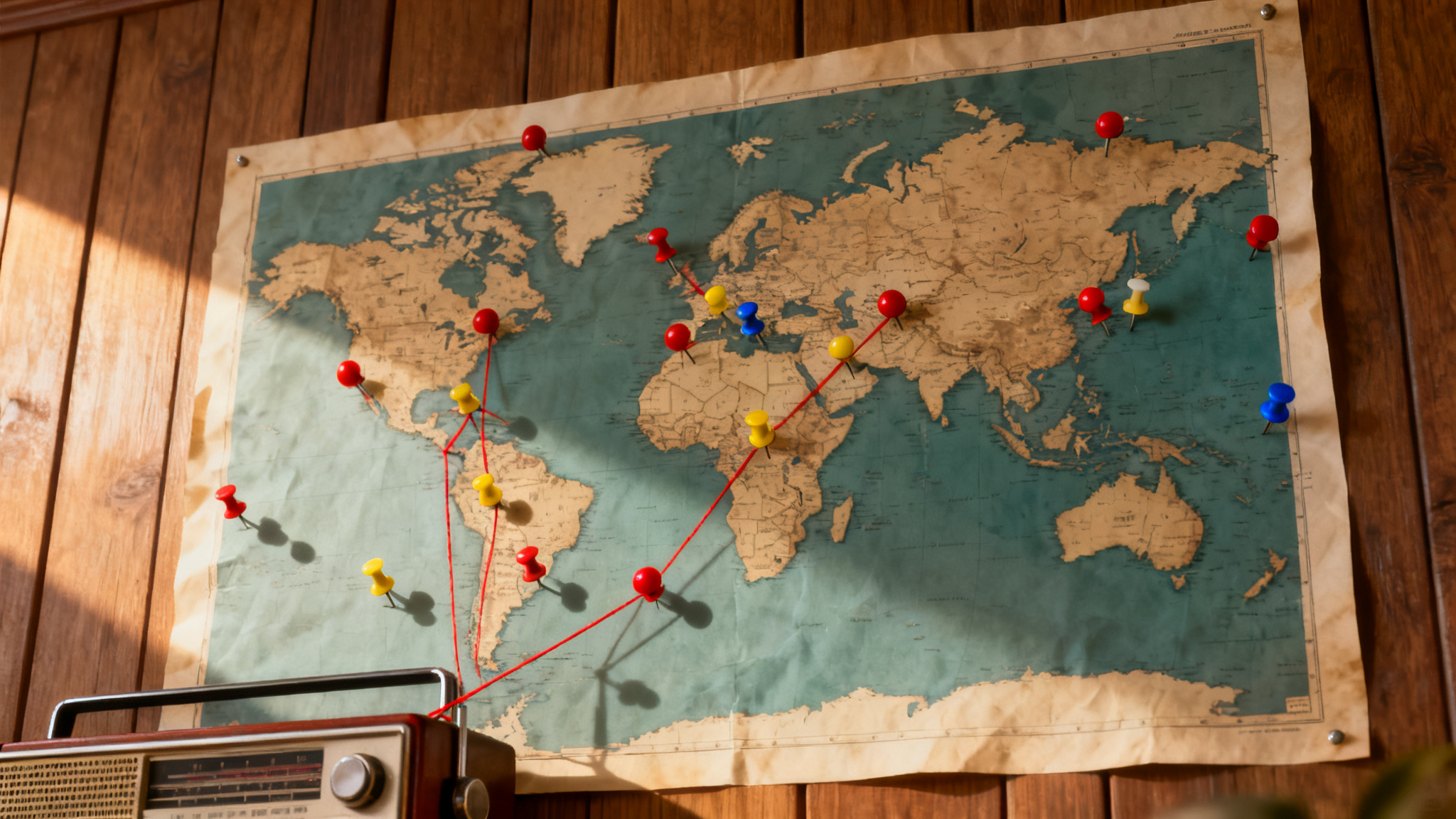
Callsigns follow a pattern set by the International Telecommunication Union, the global body that keeps countries from stepping on each other’s radio toes. Every callsign has three parts:
- Prefix – one or two letters (sometimes a letter and a number) that tell you which country issued it. W, K, N and AA-AL mean the US. G and M mean the UK. VE means Canada. VK means Australia. JA means Japan.
- Number – a single digit. In the US it tells you which region the operator lived in when they got their licence. A 6 means California. A 1 means New England. A 0 means the middle of the country.
- Suffix – one to three letters that make the callsign unique. This is the “you” part.
Put it together and W6ABC reads as: US operator, originally from the California region, suffix ABC. Once you learn a few prefixes, you can hear a callsign on the air and instantly know roughly where in the world that person is sitting. It’s a party trick that never gets old.
One thing to know: the number doesn’t update when you move. Plenty of hams with a 6 in their callsign now live in Florida. It’s more of a birthplace than a current address.
How Do You Get a Ham Radio Callsign?
You pass a licence exam. That’s it. In the US, the entry-level Technician test is 35 multiple-choice questions, and once you pass, the FCC assigns you a callsign automatically. It shows up in their database within a week or two, and the moment it does, you’re legal to transmit.
The callsign you’re assigned is called a sequential callsign. The FCC just hands out the next one in line for your licence class and region. You don’t get to pick it. It might be something elegant like KD2ABC or something that sounds like a sneeze. It’s the luck of the draw.
If you upgrade your licence later, you can request a new sequential callsign or keep your old one. Most people keep it. By then, your friends know you by it.
Vanity Callsigns: Picking Your Own
If the random one doesn’t sit right, you can apply for a vanity callsign. This lets you choose from any available callsign that matches your licence class. In the US the application is free and takes a couple of weeks.
Popular picks include:
- Your initials (K1QM, W4JDS)
- Short callsigns with a “1×2” format like W1AB, which are only available to the highest licence class and get snapped up fast
- A callsign that belonged to a family member who’s passed away, which is allowed if you’re a close relative
- Something that spells a word, like K9DOG or N0FUN
Shorter callsigns are prized because they’re quicker to send in Morse code and easier to hear through static. That’s why old-timers guard their two-letter suffixes like treasure.
How to Use Your Callsign on the Air
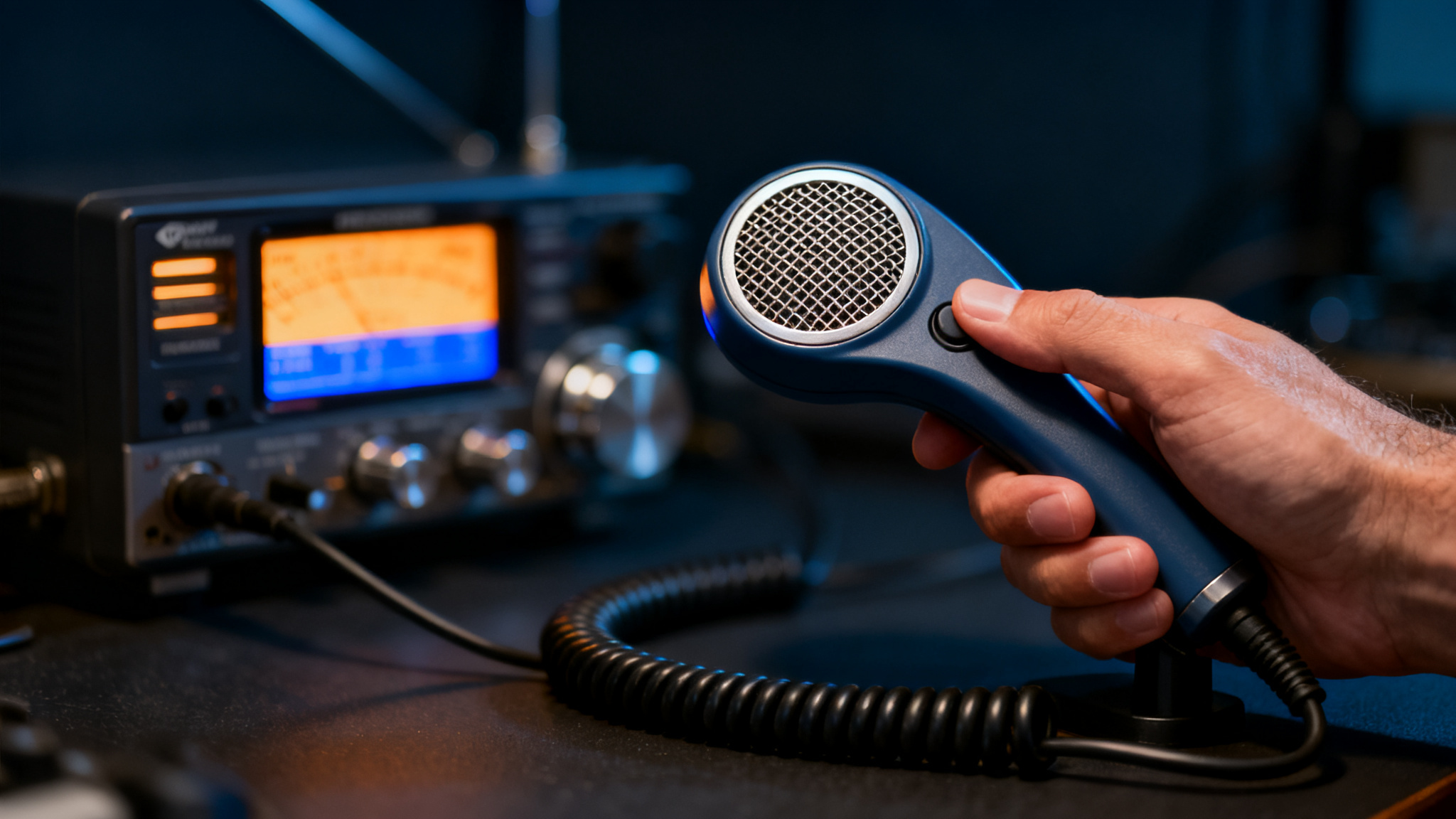
The rules here are simple and worth memorising. In the US you must give your callsign:
- At the end of every conversation
- At least once every 10 minutes during a longer chat
Most operators say it more often than that out of habit, and that’s fine. What you can’t do is skip it. Other countries have similar rules, though the exact timing varies.
You’ll almost always say your callsign using the phonetic alphabet. “W6ABC” becomes “Whiskey Six Alpha Bravo Charlie”. Letters like B, D and P sound identical through noise, so the phonetic version saves everyone a lot of “say again?”
Operating away from home? You can add a suffix to say so. “W6ABC portable” or “W6ABC mobile” tells listeners you’re not at your usual station. Operating in another country under a reciprocal agreement, you’ll tack their prefix on the front: “VE3/W6ABC” means a US ham operating from Canada.
Looking Up Any Callsign
Every callsign is public. Anyone can look one up and see the operator’s name, licence class, and mailing address. That’s not a privacy bug, it’s a feature. The whole hobby runs on accountability, and it’s how you confirm you really did talk to someone in Japan and not a guy in a van pretending.
The two places most hams use:
- The FCC ULS database – the official US record, free and slightly clunky
- QRZ.com – a worldwide directory where most hams keep a profile with a photo, their station details, and a bit about themselves
Get in the habit of looking up callsigns after you talk to someone. It turns a crackly voice into a real person, and it’s the first step toward logging contacts and collecting awards.
Getting Your Own Callsign
If you don’t have a callsign yet, there’s one step between you and one: pass the exam. It’s genuinely easier than most people expect, and the question pool is published in advance, so there are no surprises. Study for a couple of weeks, sit the test, and a week or so later you’ll be checking the FCC database every hour waiting for those letters to appear.
Then you’ll say it on the air for the first time, probably fumble the phonetics, and grin like an idiot anyway. Everyone does.
Ready to Get on the Air?
Knowing what a callsign is and how it works is the easy part. The next step is getting licensed, picking a first radio, and making that first contact without freezing up.
We put together a free Ham Radio Quick-Start Checklist that walks you through exactly what to study, what to buy, and how to make your first contact once your callsign arrives. Grab your free checklist here and you’ll be on the air before you know it.