If you’re hunting for the best Yaesu radios for beginners, you’ve already made a decent decision: Yaesu builds gear that lasts. The tricky part is that the model names read like sudoku puzzles, and half the “top 10” lists online recommend radios that would overwhelm a brand new operator.
So here’s an honest rundown. What’s worth your money, what isn’t, and what you’ll actually enjoy owning in two years’ time.
Why Buy a Yaesu at All?
You can get a working handheld radio for the price of a takeaway. So why spend three or four times that on a Yaesu?
Three honest reasons. The receivers are better, so you’ll hear weak stations that cheaper radios miss entirely. The build quality is genuinely good, and a lot of Yaesu handhelds are still going strong a decade after they were bought. And the menus, while not exactly friendly, are at least logical once you’ve spent an afternoon with them.
Now the honest counterpoint: if you’re not sure you’ll stick with the hobby, buy something cheap first. There’s no shame in it. Our Baofeng vs Yaesu comparison lays out exactly what you gain and lose at each price point. Yaesu is the right call when you already know you’re staying.
The Best Yaesu Handheld Radios for Beginners
Handhelds are where nearly everyone starts. Here are the four that make sense, cheapest first.
Yaesu FT-4XR — the budget entry point
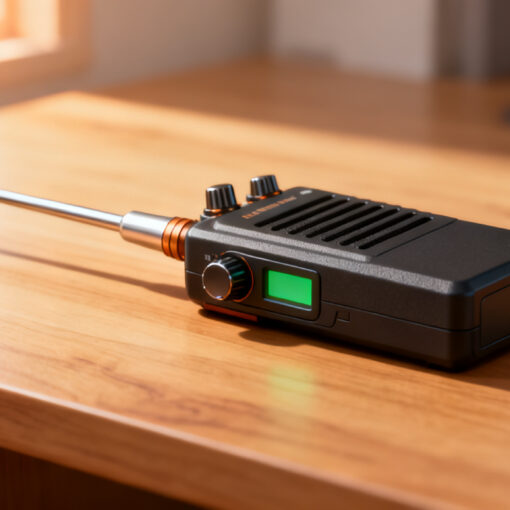
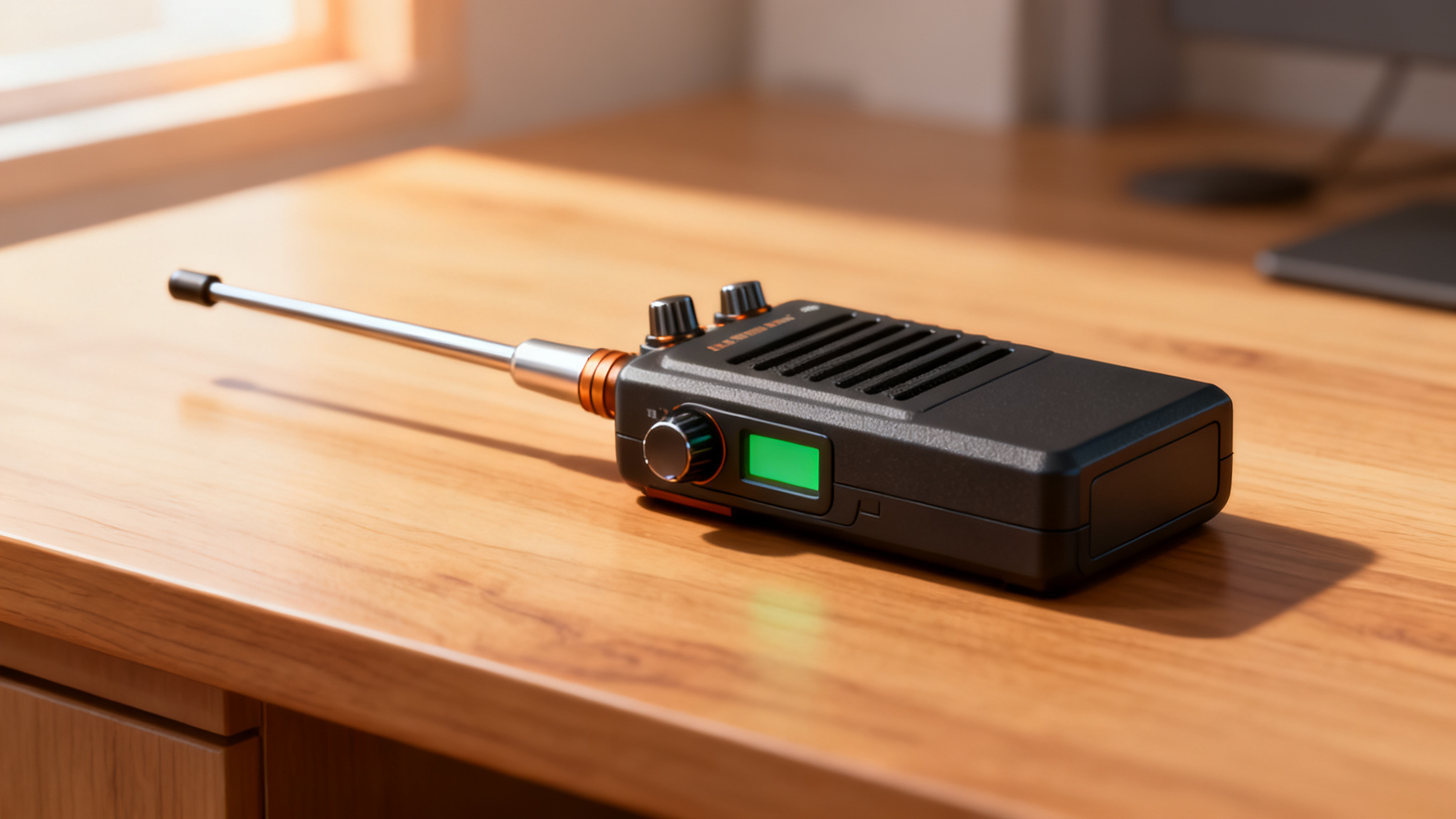
This is Yaesu’s answer to the cheap import radios. Dual-band, 5 watts, dead simple, and small enough to disappear in a jacket pocket. It does the basics properly and the receiver is noticeably better than anything at half the price.
The honest downsides: the display is small and the speaker is a bit thin in a noisy room. There’s no wide-band receive, so you can’t scan the airband or listen to much outside the ham bands. It’s a fine first radio, not a forever radio.
Yaesu FT-65R — the sensible middle
Take the FT-4XR, give it a bigger battery, a much louder speaker and a display you can read without squinting, and you’ve got the FT-65R. For most beginners this is the sweet spot: enough radio to be genuinely useful, not so much that you’ll spend a week in the manual.
It handles a busy repeater nicely and the audio is loud enough to hear from the next room, which matters more than you’d think when you’re new and just want to listen.
Yaesu FT-60R — the one that refuses to die
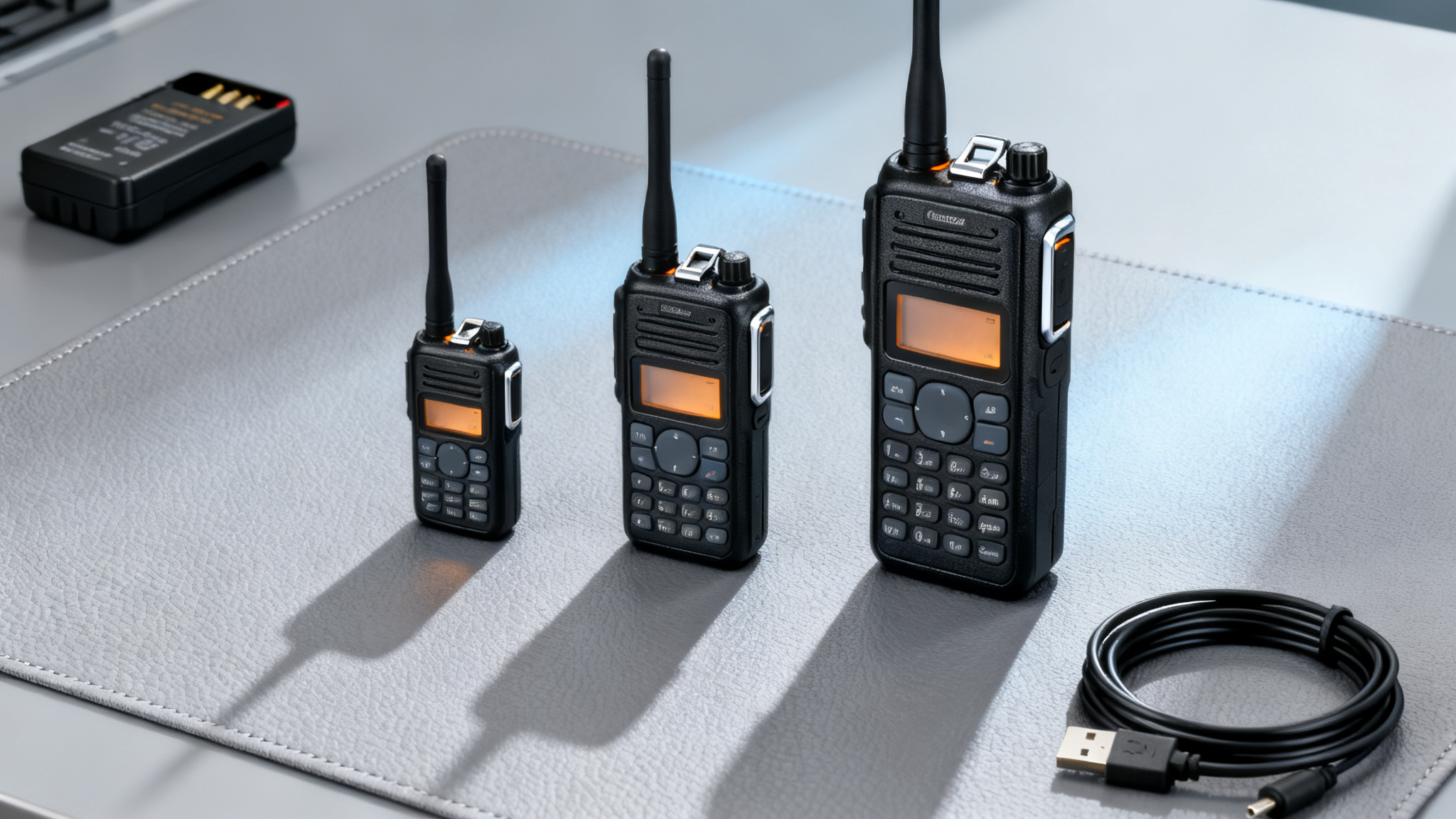
The FT-60R has been in production for roughly two decades, which in radio terms is basically forever. There’s a reason. It’s built like a small brick, the receiver is excellent, it has wide-band receive so you can listen to all sorts, and it takes an optional AA battery tray. That last feature sounds boring until the power’s out and you’re the only person on your street with a working radio.
The honest downsides: it’s old. No USB charging, the drop-in charger is slow, and programming it by hand is a genuine test of patience. Buy the programming cable at the same time and save yourself the grief. Even with all that, it’s still the handheld most experienced operators recommend to newcomers.
Yaesu FT-70DR — the digital stepping stone
Same rugged idea, but it adds C4FM digital (Yaesu’s own digital voice mode, branded System Fusion) alongside normal analogue FM. It switches between the two automatically, so you don’t have to think about which mode the other station is using.
Here’s the honest bit nobody tells beginners: digital is only worth paying for if there’s a Fusion repeater within range of you. Check first. Open up a repeater directory, look at what’s actually near you, and if it’s all analogue, save your money and get the FT-65R or FT-60R instead. If you’re new to repeaters entirely, start with how repeaters work before you spend anything.
Yaesu Mobile Radios: More Power, Same Simplicity
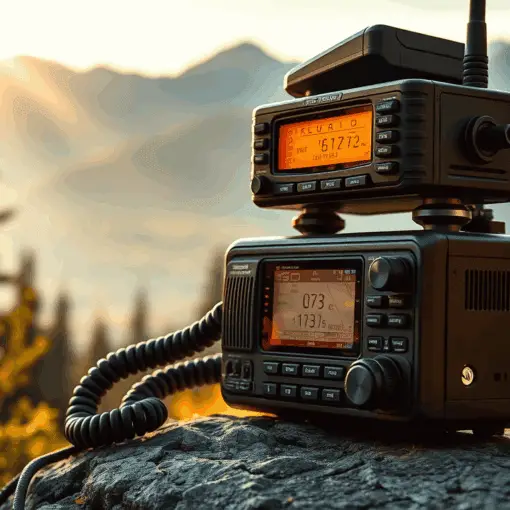
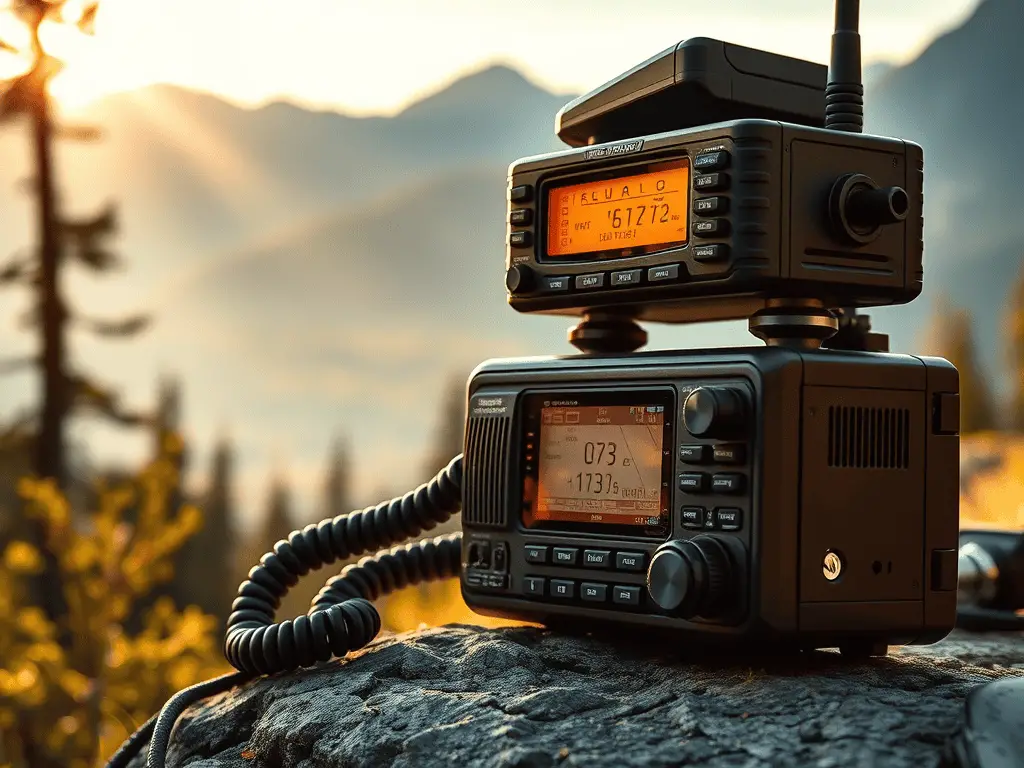
A mobile radio puts out around 50 watts instead of 5, which is the difference between scraping into a distant repeater and walking into it. You can run one in the car or on a desk at home with a power supply.
Yaesu FTM-6000R is the easy recommendation. Analogue FM, dual-band, big chunky knobs you can find without looking, and a clear display. It doesn’t try to be clever, and that’s precisely the point when you’re learning. Honest downside: no digital, no GPS, no APRS. If you want those, you’ll want a different radio.
Yaesu FTM-200DR adds C4FM digital and APRS (a system for sending your position and short messages over the air) with a colour display. It’s a lovely bit of kit. It’s also more menu than a beginner strictly needs. Same advice as before: only pay for digital if your local repeaters support it.
What About HF? The Long-Distance Stuff
HF is the part of the hobby where you talk to other countries without any internet involved. It needs a bigger licence in most places and a proper antenna, but it’s the reason a lot of people got into radio in the first place. If it’s new to you, read what HF is and whether you should upgrade first.
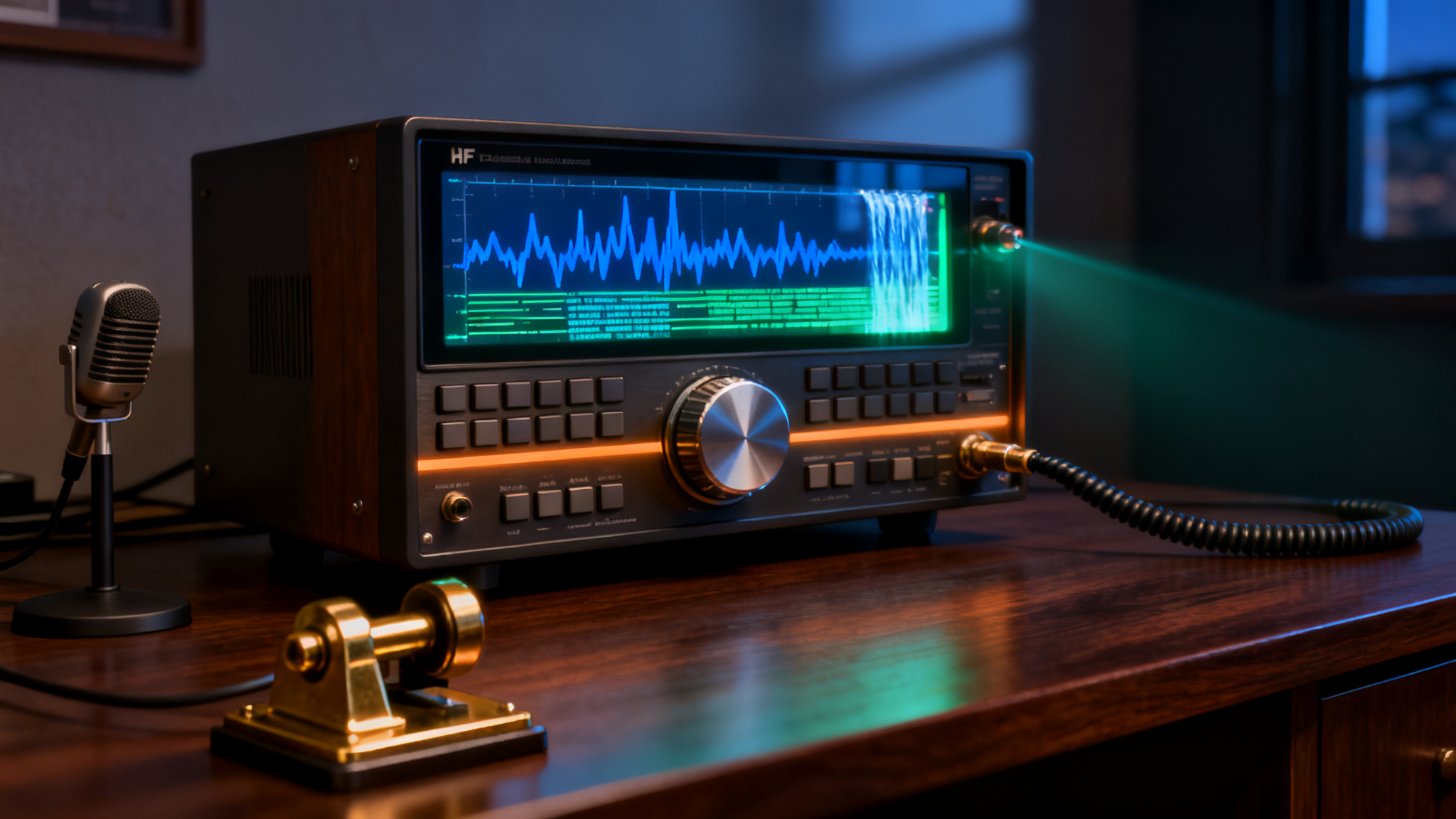
Yaesu FT-891 — 100 watts, compact, brilliant receiver for the money, and a favourite for operating from a car or a picnic table. Honest downside: no built-in antenna tuner, so budget for an external one, and the tiny front panel means a lot of menu diving.
Yaesu FT-710 — a modern software-defined radio with a colour touchscreen and a built-in tuner. Much friendlier to use, noticeably better at digging signals out of noise, and priced well against its rivals. This is the one to stretch for if HF is where you’re headed.
Yaesu FT-991A — does HF, VHF and UHF in one box, with a tuner and digital modes built in. Great if you want one radio to cover everything. Honest downside: doing everything means it does nothing quite as well as a specialist, and the menu system is deep enough to get lost in.
Whichever you pick, remember that the antenna matters more than the radio. A modest rig on a good antenna beats an expensive one on a bad antenna every single time. Our guide to beginner antennas is worth reading before you spend.
The Yaesu Radios Beginners Should Skip
Two quick warnings, both aimed at saving you money.
- The FT-5DR. Touchscreen, GPS, dual receive, and a price tag to match. It’s a superb radio for someone who already knows what they want. As a first handheld it’s an expensive way to feel confused.
- The FT-818. A tiny all-band radio that runs on about 6 watts. Experienced operators adore it for low-power operating. Beginners usually find it frustrating, because when nobody answers you can’t tell whether it’s your setup, your technique, or just physics.
Prices shift constantly, so treat any figure you read online as a rough guide and check current pricing before you commit.
Which Yaesu Should You Actually Buy?
Let’s cut it down to one line each.
- Tightest budget, want a real Yaesu: FT-4XR.
- Best all-round first handheld: FT-65R.
- Want it to last ten years: FT-60R, with the programming cable.
- Fusion repeaters nearby: FT-70DR.
- Car or home base station: FTM-6000R.
- Ready for HF: FT-710, or FT-891 if you’re operating portable.
If you’re still torn between brands rather than models, our piece on what radio a new ham should buy first works through it from scratch.
Ready to Get on the Air?
Picking the radio is genuinely the easy part. Getting licensed, programming your local repeaters, sorting an antenna and working up the nerve to actually press the button is where most beginners stall out.
So start here: get your licence sorted with our realistic study plan, then read how to make your first contact so the first time isn’t the scary time.
And if you’d like the whole thing laid out in order, grab our free Ham Radio Quick-Start Checklist. It runs from licence to first conversation in plain English, with no jargon and nothing assumed. Get your free checklist here, then go pick your Yaesu.