You can learn a lot about ham radio from a screen. But the fastest way to get good at it is to stand next to someone who’s been doing it for thirty years while they show you what you’re doing wrong. That’s what local ham radio clubs are for, and this guide covers how to find one near you, what to expect when you walk in, and why it’s worth the trip.
Be warned: you will leave your first meeting with a coffee, three phone numbers, and someone’s spare antenna in your boot.
Why Bother With a Club at All?
Ham radio looks like a solo hobby. One person, one radio, one headset. In practice it’s one of the most social hobbies going, and clubs are where most of the good stuff happens.
Here’s what a club gets you that a forum post never will:
- Someone to fix your problem in ten minutes. You’ve spent two weeks chasing a noise on 40m. An old hand listens for thirty seconds and says “that’s your neighbour’s LED floodlight.” Done.
- Gear you can try before you buy. Clubs are full of radios people are happy to let you play with. Much better than reading twelve reviews and guessing.
- Antenna help. Putting up a wire is a two-person job at minimum. Clubs have people who own ladders, pulleys, and an alarming amount of rope.
- Licence exams. Many clubs run test sessions and study nights. If you haven’t got your ticket yet, this is the shortcut.
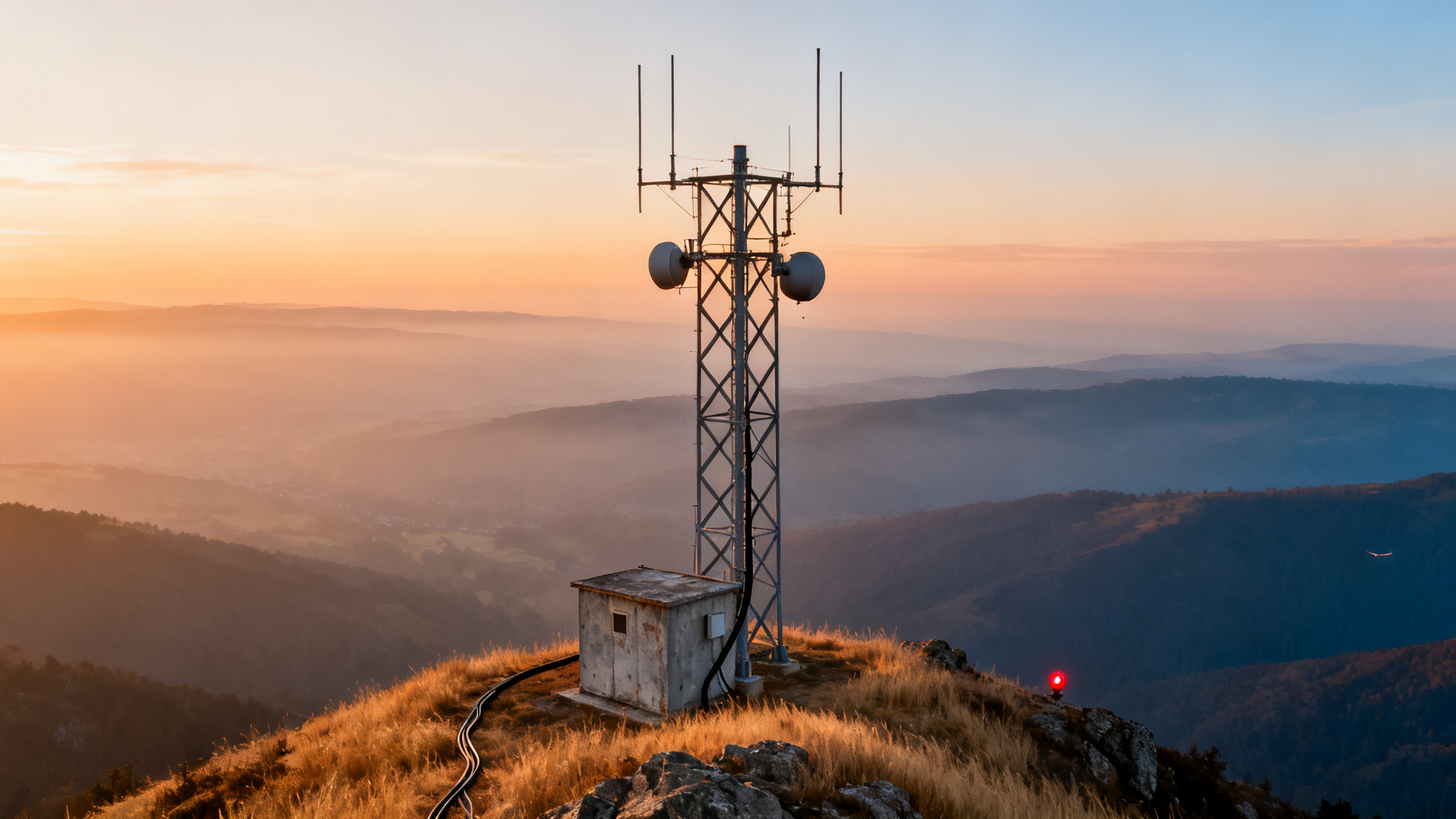
- Repeaters and equipment. That repeater you talk through? A club almost certainly built it, pays for the site, and climbs the tower when it breaks.
- Events worth showing up for. Field Day, contests, portable operations, hamfests. All much more fun with a group.
There’s also the thing nobody puts on the list: hams are generous with beginners in a way that’s genuinely unusual. The whole hobby runs on people teaching people. Clubs are just where that happens in one room.
Where to Actually Find Local Ham Radio Clubs
Finding a club is easier than most newcomers think. You just have to know where to look, because clubs are famously bad at marketing themselves. Half of them have a website that last changed in 2009.
Start with your national amateur radio society. Nearly every country has one, and nearly all of them keep a searchable club directory. In the US that’s the ARRL. In the UK it’s the RSGB. Australia has the WIA, Canada has RAC, South Africa has the SARL. Search their site for “affiliated clubs” and filter by your area. This is the single best starting point.
Listen to your local repeater. If you already have a handheld, program in the repeaters near you and just listen for a few evenings. Clubs run nets, which are scheduled on-air meetings, usually on a weeknight. When the net controller opens up for check-ins, you’ll hear exactly who’s local and where they meet. Check in yourself once you’re comfortable. Nets are deliberately beginner-friendly. If the whole repeater thing is new to you, start with our guide on what a repeater is and how to use one.
Try repeater directories. Sites like RepeaterBook list repeaters by location along with the callsign of the club that owns each one. Look up that callsign and you’ve usually found the club.
Search properly. Try “amateur radio club” plus your town, then your county or region, then the nearest city. Also try “radio society” and “wireless society”, because plenty of older clubs use those names instead. And search Facebook, since a surprising number of clubs abandoned their websites years ago and now live entirely in a Facebook group.
Ask at a hamfest. Radio rallies and swap meets are crawling with club members handing out flyers. Walk in, tell someone you’re new, and you’ll be pointed at three clubs before you reach the second table.
How to Tell a Good Club From a Dud
Not every club will suit you, and that’s fine. Clubs have personalities. Some are contest-obsessed. Some are all about emergency communications. Some are essentially a very technical social club that meets for breakfast.
Signs of a healthy club:
- Meetings happen on a predictable schedule and actually go ahead.
- Someone talks to you within the first five minutes.
- There’s a mix of ages and experience levels, not one closed circle.
- They run things. A net, a Field Day, a build night, exam sessions. Activity beats admin.
- Beginner questions get answered without eye-rolling.
Signs you should try the next club along:
- The meeting is ninety minutes of arguing about the treasurer’s report.
- Nobody speaks to you, and nobody notices you left.
- Every conversation is about equipment you’d need a second mortgage to buy.
Visit two or three before you commit your membership fee. Most clubs will happily let you sit in on a meeting for free, and nobody thinks it’s rude to shop around.
What Happens at Your First Meeting
Turning up somewhere new is the hard part, so here’s the honest version of what you’re walking into.
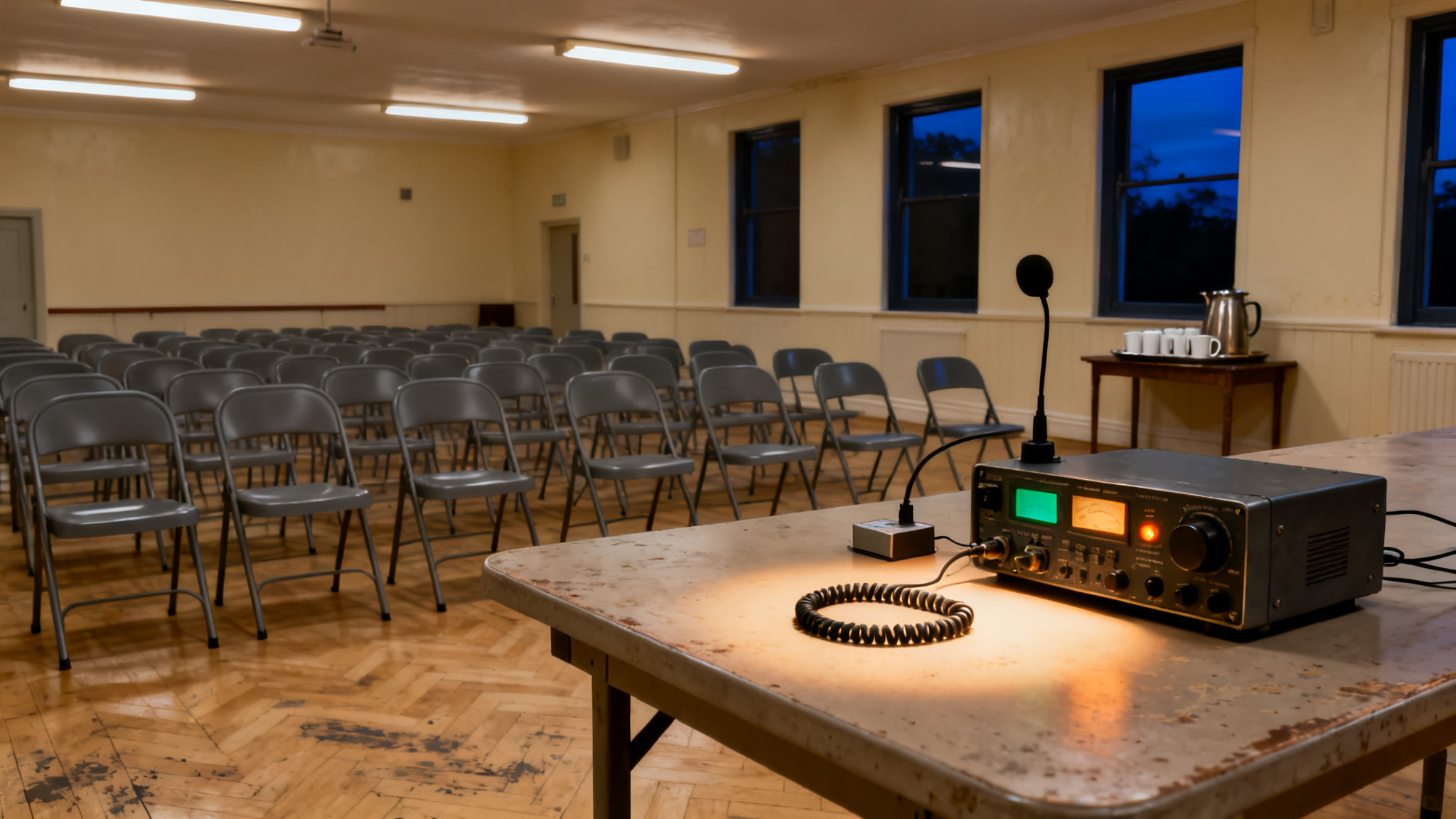
The venue is usually a community hall, a church basement, a fire station, or somebody’s very well-organised garage. There’s tea or coffee. There are folding chairs. The meeting runs an hour or two and follows a rough pattern: a bit of club business, then a talk or demonstration on something technical, then everyone stands around chatting for another forty minutes. That last part is the real meeting.
What you should bring: nothing. Maybe a notebook. If you own a handheld radio, bring it, because someone will want to program it properly for you.
What you should say: “Hi, I’m new to this.” Works every time. You don’t need a licence to attend, you don’t need to know anything, and you certainly don’t need to pretend you understand what an SWR meter does. If you want a head start on the vocabulary, our guide to ham radio lingo covers the terms you’ll hear most.
One small warning: ask a friendly question about antennas and you’ll get four contradictory answers, all delivered with total confidence. This is normal. This is the hobby.
What If There’s No Club Near You?
Rural areas and small towns sometimes come up empty. You’ve still got options.
Widen the radius. An hour’s drive once a month is very doable, and plenty of members travel further than you’d expect.
Join a club remotely. Many clubs now run hybrid meetings over video, and a lot of them welcome members who only ever appear on the net. You get the newsletter, the knowledge, and the on-air community without the commute.
Use the nets. There are nets for beginners, for specific interests, and for whole regions, running on repeaters, on HF, and on linked systems. Check in regularly and you’ll build the same relationships, just over the air. Never spoken on the radio before? Our walkthrough on making your first contact takes the nerves out of it.
Start something small. Two hams and a standing coffee date is technically a club. Some of the biggest societies in the world started exactly like that.
Ready to Find Your People?
Your next step takes about ten minutes: search your national society’s club directory for your area, find the nearest club, and email them to ask when the next meeting is. That one email is the difference between reading about ham radio and doing it.
Then go. Sit at the back if you like. Drink the coffee. Ask one daft question. You’ll be surprised how quickly you stop being the new person.
If you’re still building your station and want the steps in order, grab our free Ham Radio Quick-Start Checklist. It walks you through everything from licence to first contact so nothing gets missed. Get your free checklist here, then go meet the neighbours.